
W. H. Lornell
With Blodium, W. H. Lornell has developed a science-fantasy saga where science fiction, fantasy, adventure, combat, and reflection meet. His work explores the border between reason and imagination, and between power, mystery, and the human condition.
Passionate about science, alternate worlds, and large-scale adventure, he builds stories in which narrative intensity is paired with a deeper exploration of meaning, fear, power, and choice.
A style shaped by mystery, tension, and imagination
W. H. Lornell has long been fascinated by the mysteries of the world and by the limits of the imagination. His influences range from literature and cinema to manga. That diversity feeds a visual, tense, and ambitious style in which description, action, and reflection move together.
With Blodium, he is developing an immersive science-fantasy work at the crossroads of the coming-of-age story, the adventure novel, science fiction, and reflection on the human condition.
Follow the project
For updates, visuals, and release news related to the English-language side of Blodium, you can follow the project on Instagram.
Follow Blodium on InstagramThe origins of Blodium
Blodium took shape over several years of development, rewrites, doubts, and fresh starts. The universe grew from a lasting fascination with science, the mysteries it suggests to the imagination, and stories able to combine adventure, dramatic tension, and depth.
A shared creative journey
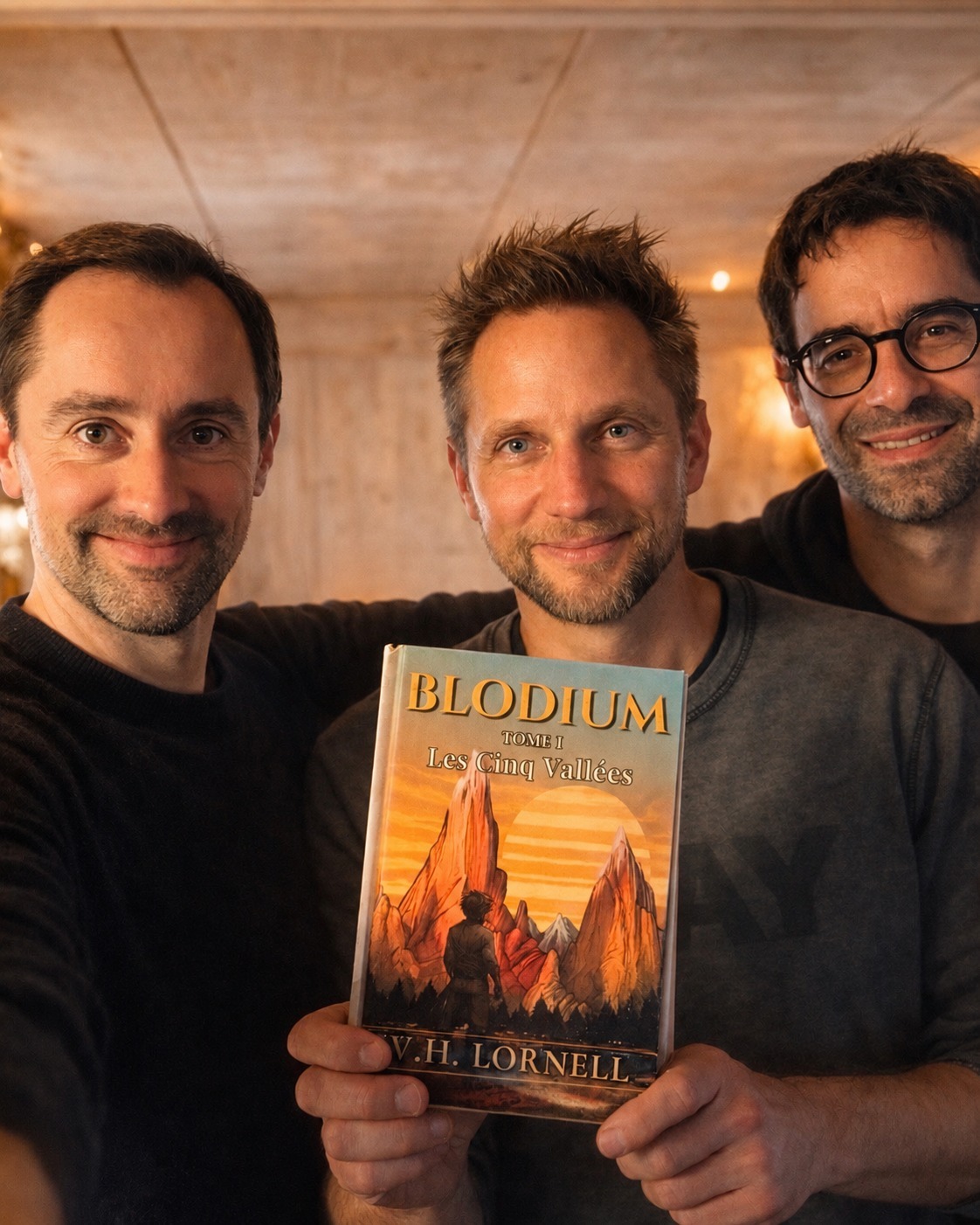
Blodium is first and foremost an author-driven work, but its development has also become a shared creative journey. Alongside Ludovic B., who supports the project as a narrative and editorial advisor, and illustrator Nitch, who helped shape the saga’s visual identity, W. H. Lornell has worked to structure the world, refine the books, and expand the reach of the series.
Nitch’s work on the covers and related artwork gives Blodium a strong and recognizable graphic signature, while Ludovic B. contributes an outside perspective on narrative choices, concepts, and long-term development.
Building on that momentum, a dedicated structure, RB_Imagination, was created to support the promotion and long-term development of the saga in a more professional framework.
Ludovic B.
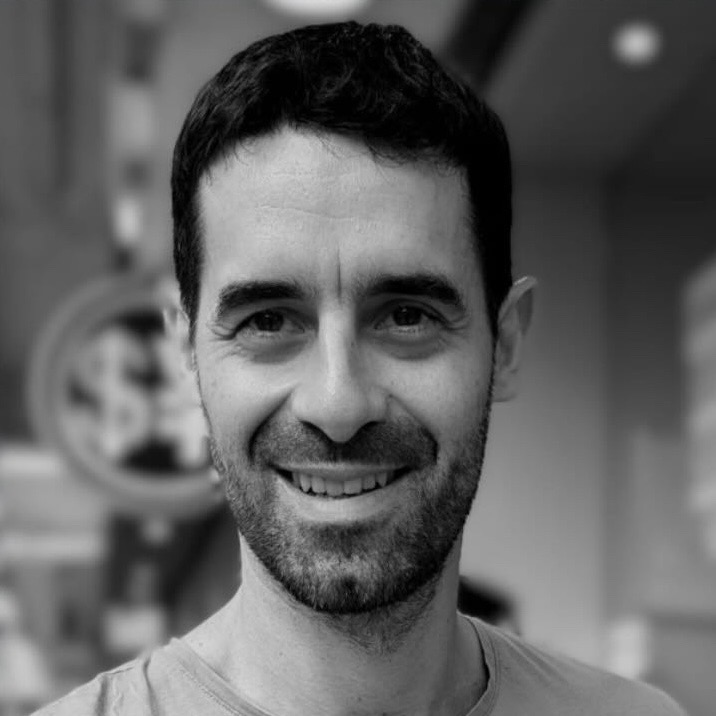
Narrative and editorial advisor, childhood friend, and working partner in the development and promotion of Blodium, Ludovic B. has supported the project from its earliest stages.
His role is to question narrative choices, safeguard the coherence of the concepts, and support the wider development of the universe. His demanding and steady outside perspective contributes to the project’s strength and long-term evolution.
A long-term publishing and promotion effort
To support the promotion and development of Blodium, the project has gradually taken shape within a more professional structure through the creation of RB_Imagination.
Around the novels, the universe now extends into companion formats: illustrations, immersive content, an editorial online presence, and the website itself.
The goal is not simply to publish books, but to gradually build an identifiable, credible, and living universe that can unfold across multiple formats while remaining faithful to its identity.
Thank you to everyone who supports this journey and helps bring Blodium to life.
FAQ
Who is W. H. Lornell?
The author of Blodium, of course. More seriously, it is a pen name. I live in France and work as an ER physician. To paraphrase Victor Hugo, I am still in the old age of youth and have a little time before entering the youth of old age.
Where does the name “Blodium” come from?
“Blod” evokes blood, and “-ium” suggests a mineral. That is the simple origin of the name.
What reading age do you recommend?
Blodium has a dark tone, with combat that can sometimes be violent. I would recommend it for readers aged 14–15 and up.
Can the books be read independently?
Book One can be read on its own, with a satisfying ending. Books Two and Three continue directly from what came before.
How often do new books come out?
The release rhythm depends on the project and on the time required to bring each book to the right level. Blodium has been built through a demanding, long-term process, and each volume requires a major investment of time and energy.
How important are science and philosophy in the series?
They are very important. I enjoy theories and concepts that question reality. I am passionate about science in general, and I wanted to weave some of those ideas into the writing without making the story heavy or alienating readers who are less drawn to those themes.
How did the idea for this saga come to you?
Several years ago, starting from a concept: Blodium itself and the properties it could grant. I wanted to tell a story. Since I could not draw, I chose to write it. I began with a novel of roughly 70,000 words. A few people read it, and the feedback was encouraging, but I knew it was not strong enough yet. Having an idea and a concept does not automatically make a good story.
So I stepped back for a while to study storytelling, character construction, and related craft. I reread many books and discovered new ones. Then the motivation returned and I started again. It was better, but still not enough.
That process repeated itself several times. After four years, I finally wrote The Five Valleys, and everything became clearer. I was satisfied: I had the framework of the saga. Since then, I have worked on it relentlessly and devoted my free time to it.
What are your main influences?
They are varied: science fiction, fantasy, comics, and manga. I am especially drawn to Jorge Luis Borges, George Orwell, Aldous Huxley, Philip K. Dick, Frank Herbert, and H. P. Lovecraft. In Blodium, the names Jorwel and Aldus are not-so-subtle nods to Orwell and Huxley.
On the fantasy side, Tolkien is an obvious reference. As a teenager I devoured Forgotten Realms novels, especially the books around Drizzt. I also read a great deal of comics and manga. I had my shōnen phase, and I am still a major fan of more mature works such as Berserk, Vinland Saga, and Claymore.
In video games, I am old enough to have experienced the release of the very first Baldur’s Gate and Icewind Dale, both rooted in the world of Dungeons & Dragons. In film, I especially appreciate works such as The Matrix, Dark City, and Jacob’s Ladder, all of which question reality.
Do you work alone or with help?
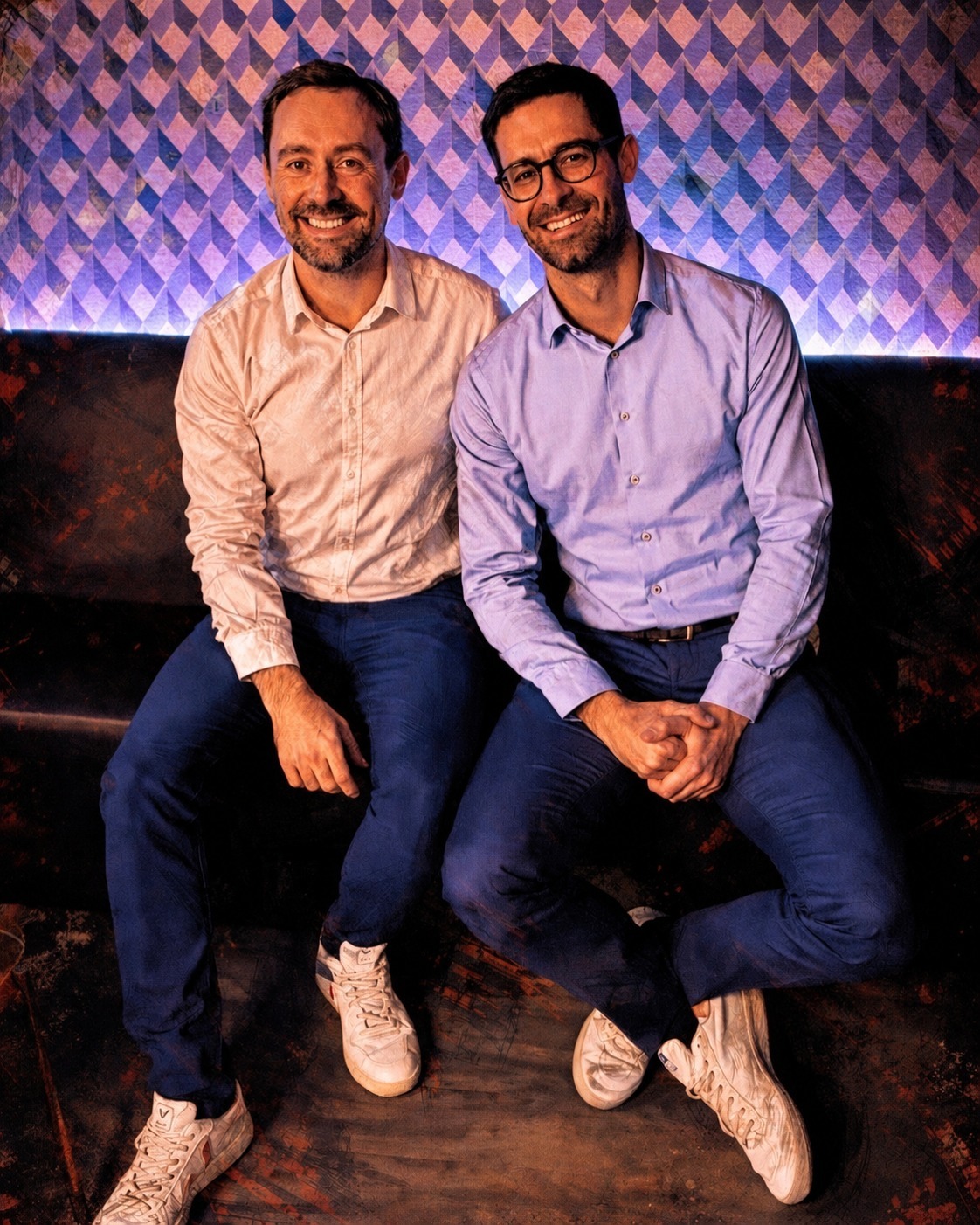
My brother is a dedicated early reader and helps me with plot and narrative construction as I write. My best friend also helps a great deal in discussing ideas and concepts, as well as with the work surrounding the books’ promotion.
We also formed a partnership with illustrator Nitch, who now creates the covers. We are currently working on an illustrated edition of Book One.
What is your view on AI?
It is a powerful tool, but one surrounded by many fantasies. We can see it clearly: Amazon is now full of automatically generated content, often at the expense of quality.
When it comes to novel writing, I believe we are still far from the real thing. AI can suggest ideas or structure, but it often falls back on stale tropes and automatisms. It does not create a voice or an emotion. Writing a novel is, above all, a human adventure, and readers can feel that.
On the other hand, AI can be useful for proofreading, spotting repetitions, or helping with occasional rephrasing. The key is that the author remains in control of the text. It does not replace professional editing or the human experience that comes with it.
From my point of view, AI is especially useful for everything around publication: layout, formats, and technical tasks. It can be a good assistant for improving the quality of self-publishing.
As for the cover, my very first version was created with the help of AI because I lacked the resources at the time. But the current covers were entrusted to a professional illustrator in order to give Blodium the visual identity it deserves.
The subject is fascinating and remains open to debate, but I believe the novel still has a long future ahead of it. In fact, AI itself becomes an important theme in Book Three.